Lotto Jackpot Rollovers: How They Work vs. Fixed-Prize Games
The Two Kinds of Lotto Prizes You Are Actually Playing For
Most Filipino bettors treat every PCSO game the same way: pick numbers, hope, claim. But the prize structure behind the scenes is not identical across products, and that difference decides whether a jackpot can grow or stays frozen forever.
There are two reward models running side by side in the PCSO lineup.
- Pari-mutuel jackpots — Lotto 6/42, Mega Lotto 6/45, Super Lotto 6/49, Grand Lotto 6/55, and Ultra Lotto 6/58. The top prize is not a fixed figure. It accumulates from ticket sales, and if nobody matches all six numbers, the money carries into the next draw.
- Fixed-prize games — the digit-based draws like 3D, 2D, and the smaller combination games. Payouts are set in advance. A 3D Straight win pays the same amount whether ten people hit it or ten thousand.
Rollover only exists in the first category. That single fact explains why some games produce headlines about a bettor in Cebu or Davao taking home a nine-figure sum, while others never do.
Before anything else, remember the rule that never changes: you must match all six numbers in the exact game you played. A 6/45 combination is worthless in a 6/58 draw, no matter how close it looks.
How a Jackpot Rolls Over, Step by Step
Strip away the excitement and the mechanism is fairly mechanical. Here is the cycle, using a 6/58 draw as the example.
- Sales are collected. A portion of every 20-peso ticket feeds the prize pool. The bigger games carry steeper odds, so the pool grows faster per draw.
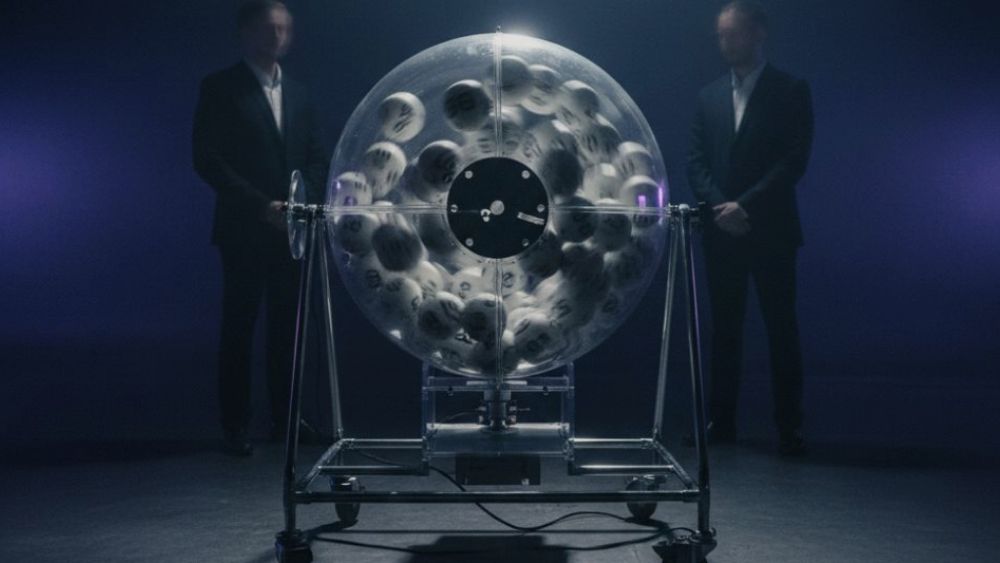
- The draw runs. Six balls are drawn live. If at least one ticket matches all six, that winner (or those winners) split the jackpot.
- No winner means carryover. The entire unclaimed jackpot is added to the next draw's starting pot. That is the rollover.
- The new pot is advertised. PCSO publishes the estimated prize, which includes the carried amount plus projected sales. It is an estimate, not a guarantee.
- The cycle repeats until someone wins — or until the game hits a cap, which some lotteries impose to force a payout.
Notice step four. The number you see on TV, social media, and news sites is an estimate. If ticket sales surge because the prize looks life-changing, the final jackpot can end up higher. If sales are flat, it can land slightly lower. Either way, it is not a promise.
Why the Odds Never Get Easier
A common misconception is that a rolled-over jackpot is “due.” It is not. The odds of matching six numbers in 6/58 sit at roughly 1 in 40,475,358 on every single draw. Rollover changes the size of the reward, not the probability of reaching it. Anyone selling you a “hot” strategy based on rollover history is selling you a story, not math.
Bigger prize, same odds. That is the honest summary of every rollover in the country.
Rollover Games vs. Fixed-Prize Games: A Side-by-Side Look
If you want to decide where your 20 pesos go, this comparison matters more than any number pattern.
Jackpot (Pari-Mutuel) Games
- Prize size: Variable, can climb into the hundreds of millions.
- Sharing: Split among all jackpot winners in the same draw.
- Rollover: Yes — the headline feature.
- Odds: Very long, from 1 in 5.2 million (6/42) up to about 1 in 40.5 million (6/58).
- Best for: Players chasing a life-changing amount who accept long odds.
Fixed-Prize Games
- Prize size: Predetermined and published.
- Sharing: No — you receive the posted amount regardless of other winners.
- Rollover: None. No carryover, no build-up.
- Odds: Shorter, which is why payouts are smaller.
- Best for: Players who want frequent, predictable, smaller wins.
The trade-off is clean. Rollover games offer the dream of a bigger number in exchange for a longer wait. Fixed-prize games offer a shorter wait in exchange for a ceiling on how much you can win.
There is a middle ground worth knowing: some pari-mutuel games also pay secondary prizes — five of six numbers, four of six, and so on. Those lower tiers are usually fixed or shared within their own bracket, so even on a rollover draw, a near-miss can return something. Check the prize structure printed on the PCSO result page for the specific game before assuming a five-number match is worthless.
What Rollovers Mean for Your Actual Payout
A jaw-dropping jackpot headline and the money that lands in a winner's bank account are two different figures. Here is what shrinks the number.
The 20% Final Tax
PCSO winnings above the tax-exempt threshold are subject to the 20% final tax on prize money. On a hypothetical 200-million-peso jackpot, that is 40 million pesos withheld before payout. A single winner still walks away with a fortune, but not the full advertised amount.
Splitting the Pot
If two or three tickets hit the same combination, the jackpot divides equally. Rollovers encourage more betting, and more betting raises the chance of multiple winners. It has happened before, and it will happen again. You cannot control who else picked your numbers, but you can be aware that a record pot often means a crowded winner's circle.
Anonymity and Claiming
PCSO generally does not publish the winner's full identity, but claiming a large prize involves verification, documentation, and travel to the appropriate office. Plan for the process, not just the celebration.
Practical Reminders
- Sign the back of your ticket the moment you buy it. An unsigned winning ticket is a nightmare to claim.
- Photograph the ticket and store the image safely. Physical loss is far more common than people admit.
- Set a budget before the draw, not after. A rollover is designed to make you spend more, and that pressure is the product.
- Verify results only through official PCSO channels. Screenshots circulating online are frequently edited.
None of this is meant to discourage play. It is meant to keep expectations calibrated, because a bettor who understands the mechanics makes calmer decisions than one chasing a number they saw on a poster.
Smart Timing Around Rollover Draws
There is no formula that improves your odds, but there are sensible habits that improve your overall experience with the game.
First, decide in advance whether a rollover actually changes your plan. For most players, the answer should be no. Buy the same number of tickets you always buy. A 300-million-peso pot and a 30-million-peso pot carry identical odds, so the extra ticket bought out of excitement is not smarter — it is just more expensive.
Second, if you play multiple games, compare their odds honestly before choosing one over another. A 6/42 ticket at 1 in 5.2 million is a meaningfully shorter shot than a 6/58 ticket at 1 in 40.5 million. The prize is smaller, but the probability of winning anything at all is better. Neither is “correct.” It depends on whether you are buying a realistic small chance or a fantasy with a bigger number attached.
Third, treat the estimate with a grain of salt. PCSO's projected jackpot is calculated from carryover plus expected sales, and actual sales can swing either way on a hyped draw. Do not budget your rent around a number that has not been finalized.
Finally, remember why the rollover exists. It is a marketing engine as much as a prize mechanic. That does not make it dishonest — it is simply how pari-mutuel lotteries work worldwide. The bettor who understands the engine, rather than being swept up by it, is the one who plays within their means and still enjoys the draw.
Keep your ticket safe, keep your budget fixed, and let the rollover be a bonus rather than a reason. That is the smartest position you can take into any PCSO draw night.
Frequently Asked Questions
Do PCSO lotto jackpots really roll over to the next draw?
Yes. In pari-mutuel games like Lotto 6/42, Mega Lotto 6/45, Super Lotto 6/49, Grand Lotto 6/55, and Ultra Lotto 6/58, an unclaimed jackpot is carried into the next draw. The advertised figure is an estimate that combines the carryover with projected ticket sales.
Does a bigger rolled-over jackpot improve my chances of winning?
No. Rollover changes the prize amount, not the probability. The odds of matching all six numbers stay the same on every draw — roughly 1 in 40,475,358 for Ultra Lotto 6/58, for example.
Why do fixed-prize games like 3D never have a rollover?
Fixed-prize games pay a predetermined amount set in advance, so there is no accumulating pool to carry over. If nobody wins a particular draw, the prize money simply is not distributed — it does not build up for the next one.
Is the full jackpot amount paid out to a single winner?
Only if there is exactly one jackpot winner. Multiple winners split the pot equally, and winnings above the tax-exempt threshold are subject to the 20% final tax before payout.