Build a Balanced PCSO Lotto Ticket: Pairing Numbers Like a Pro
Why Balanced Number Pairing Matters in PCSO Lotto
Every Filipino bettor dreams of hitting the jackpot. But winning isn't just about luck—it's about strategy. In PCSO Lotto, numbers are drawn randomly, yet patterns emerge over time. A balanced ticket pairs high and low numbers, odd and even digits, and spreads across the number field. This approach doesn't guarantee a win, but it ensures your ticket isn't clustered in one zone, which often happens with birthday or anniversary picks.
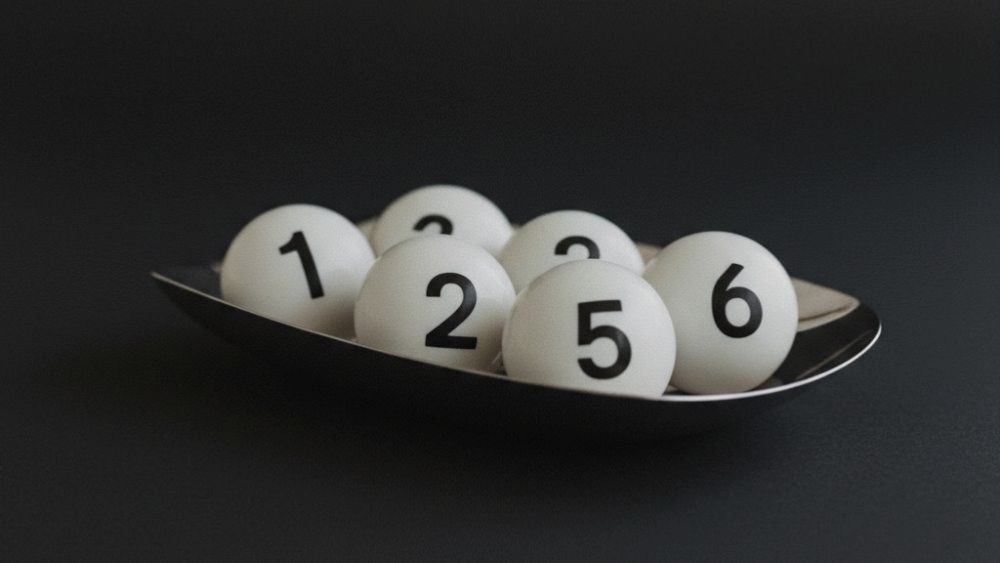
Consider the 6/49 draw. If you pick 1, 2, 3, 4, 5, 6, you're technically in the game, but your odds are the same as any other combination. However, a balanced set like 5, 12, 23, 34, 45, 49 covers a wider range. Why does this matter? Because when you win, you share the prize with fewer people. Balanced tickets are less common, so your share could be bigger.
At TadhanaTaya, we've analyzed years of PCSO results. The most frequent winning combinations tend to have a mix of numbers from different decades (1-10, 11-20, etc.). Pairing a low number with a high one, like 7 and 42, creates a synergistic effect. It's not magic—it's math.
The Core Principles of Pairing Numbers
Pairing numbers isn't about superstition. It's about balancing your ticket's distribution. Here are three principles to follow:
1. High-Low Pairing
Divide the number field into low and high halves. For 6/58, low could be 1-29, high 30-58. Aim for three low and three high numbers. This prevents your ticket from being too top-heavy or bottom-heavy.
2. Odd-Even Balance
Most winning combinations have a 3:3 or 4:2 odd-to-even ratio. All odd or all even tickets are rare. So pair an odd number with an even one, like 11 and 24.
3. Sum Range
The sum of your six numbers should fall within a typical range. For 6/42, the average sum is around 129. For 6/58, it's about 177. A balanced ticket's sum often sits between 100 and 200.
Let's say you're playing 6/45. A balanced ticket might be 3, 16, 22, 31, 39, 44. Sum = 155. Three lows (3,16,22), three highs (31,39,44). Three odds (3,31,39), three evens (16,22,44). This is the kind of pairing that keeps your ticket in the sweet spot.
Step-by-Step: Building Your Balanced Ticket
Ready to build? Follow these steps. No need for advanced software—just a pen and paper.
- Choose your draw: PCSO offers 6/42, 6/45, 6/49, 6/55, and 6/58. Each has a different number field. For 6/58, your pairs will span wider.
- Divide and conquer: Split the field into three zones: low, mid, high. Pick two numbers from each zone. For 6/58: Zone 1 (1-19), Zone 2 (20-39), Zone 3 (40-58).
- Apply odd-even: Ensure your six picks have at least two odd and two even. Three each is ideal.
- Check your sum: Add your numbers. If the sum is below 100 or above 250 for 6/58, rebalance.
- Pair strategically: Look for natural pairs like consecutive numbers (e.g., 14 and 15) that appear together in 30% of draws. But don't overdo it—one or two consecutive pairs max.
Example for 6/49: Zones: 1-16, 17-32, 33-49. Pick 4 (low), 18 (mid), 27 (mid), 35 (high), 42 (high), 49 (high). Odds: 4,18,42 even? Wait, 4 even, 18 even, 27 odd, 35 odd, 42 even, 49 odd. That's three even, three odd. Sum = 175. Balanced.
Common Pairing Mistakes to Avoid
Even seasoned bettors fall into traps. Avoid these:
- All numbers in one decade: Picking 1, 2, 3, 4, 5, 6 is a rookie move. Spread out.
- Ignoring the mid-range: Numbers like 20-30 are often overlooked but appear frequently.
- Overusing birthdays: Dates only go up to 31, so numbers 32-58 get neglected. Pair a birthday number with a high number.
- Forgetting the power of pairs: Some numbers trend together. For example, in 6/55, 10 and 45 have appeared in the same draw 12 times in the last two years.
Also, don't chase cold numbers. While it's tempting to pick numbers that haven't appeared in months, randomness has no memory. Balance is key, not desperation.
Tools and Resources for Pairing
You don't need expensive software. PCSO's official website provides past results. TadhanaTaya offers a free pairing tool that analyzes frequency and suggests balanced combinations. Use it to check your ticket before buying.
For advanced players, consider joining a lotto pool. Pooling resources lets you buy more tickets with balanced pairs, increasing coverage. Just ensure the pool agreement is clear—no disputes when you win.
Remember, PCSO Lotto is a game of chance. Play responsibly. Set a budget, say ₱500 per week, and stick to it. Never chase losses.
“The lottery is a tax on people who are bad at math.” — But with balanced pairing, you're at least playing smarter.
Ready to try? Next draw for 6/58 is tonight. Build your balanced ticket now.
Frequently Asked Questions
What is the best odd-even ratio for PCSO Lotto?
A 3:3 or 4:2 odd-to-even ratio is ideal. All odd or all even combinations are statistically rare, so balancing them improves your ticket's distribution.
How do I calculate the sum for a balanced ticket?
Add your six numbers. For 6/42, aim for a sum between 100 and 160. For 6/58, between 140 and 220. This range covers most winning combinations.
Should I pick consecutive numbers?
One or two consecutive pairs (like 14 and 15) are fine, as they appear in about 30% of draws. But avoid three or more in a row, which is extremely rare.
Can I use the same balanced ticket every draw?
Yes, but consider varying it slightly. Repeating the same numbers is fine, but if you win, you'll share with others who play the same set. A slight tweak keeps your ticket unique.